Generally for
junior designers employablity Research and Significance
Finding employment as a design graduate and junior design can be extremely difficult and can result in skilled and competent junior designers transitioning industries or unable to find meaningful employment and relying on predatory freelance sites actually such as 99 Designs. My major project explores and discovers what is causing junior designers to struggle to find entry-level employment.
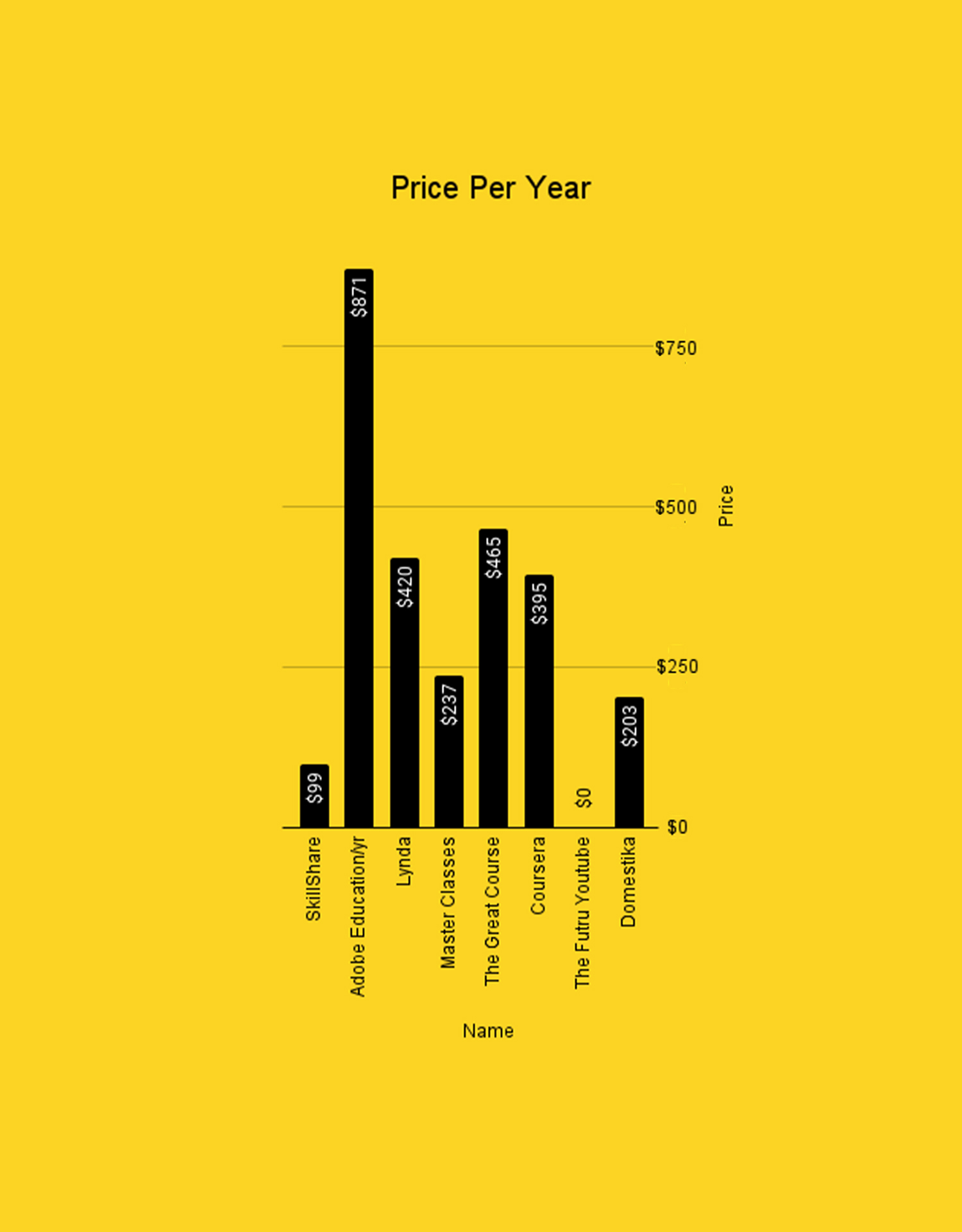
In my work, I discuss the pros and cons of specialisation as well as exploring an alternative to the generalist or specialist mindset that is common throughout the design industry. I have investigated what is responsible for making a junior designer more or less employable and what employers expect of junior designers and how that can deviate from design education. I've done this by examining a wide range of existing research in design and similar fields such as marketing and industrial design and doing a comprehensive analysis of several online education platforms.
.png)
.jpg)
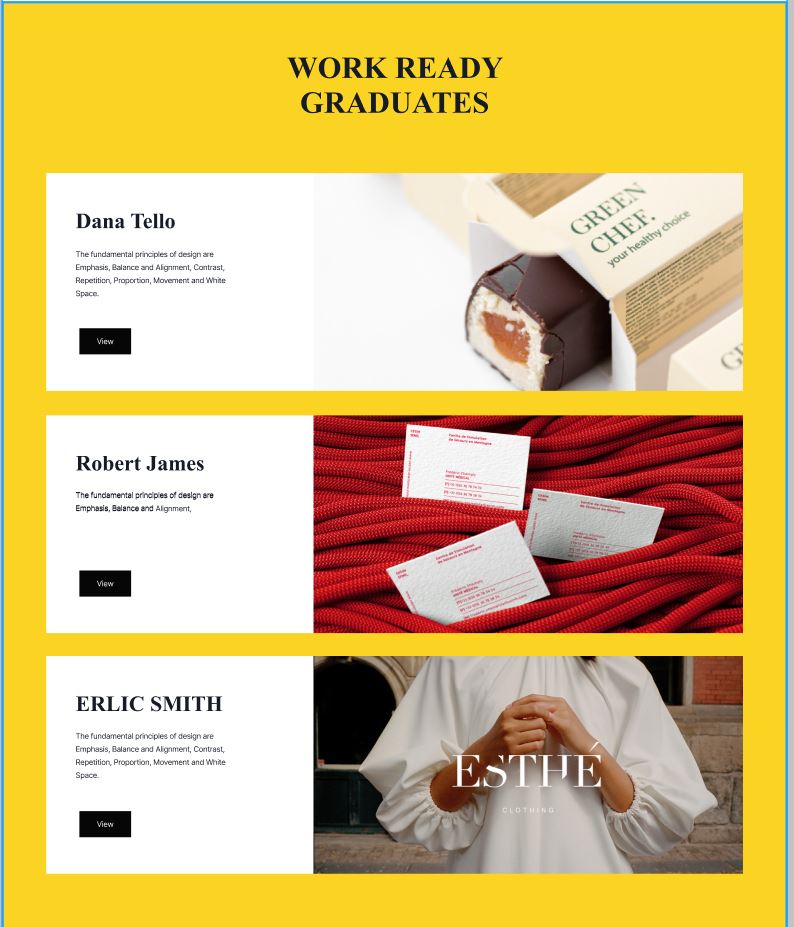
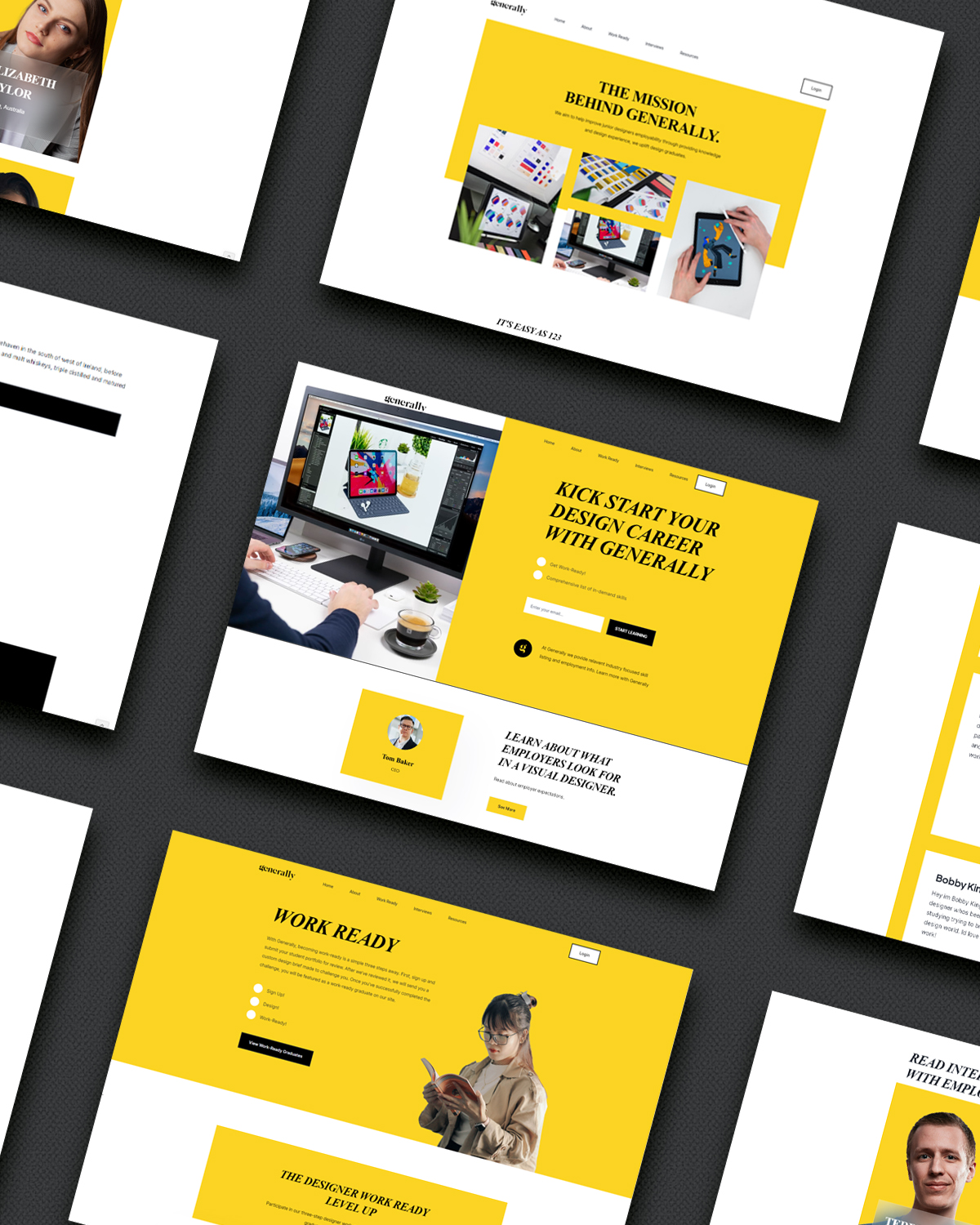
Ihave also conducted comprehensive primary research, done in the form of semi-structured interviews with employers and junior designers. I've then used this research to help inform the production of a solution to this problem. When designing this solution, I used the product design methodology to help maximise its real-world utility. I produced a website that performed two primary functions as well as provided other utility. The website served as a tool to inform junior designers of currently in-demand skills and explain them; the website also allows graduate designers to sign up and submit their portfolio, design and be given a project if the designer is successful, they will be featured on the site as a work-ready graduate along with their body of work and contact info. This solution aids in the idea of overcoming the work experience needed to enter the workforce.
by getting designers to display practical skills.
During my study, I aimed to understand what skills and aspects make a junior designer more employable. In addition to understanding what makes a junior designer more employable, I aimed to design a platform that helps junior designers learn more employable design skills. to do this i used interviews with employers and designers, as well as secondary research into designer employability and career specialisation, in addition to an analysis and examination of the existing products and services that are currently used to address this problem to inform the creation of a product designed to help teach junior designers skills that are in demand and expected by employers from junior designers. The study is primarily aimed at helping Junior Designers develop more employable design skills with the goal of seeing more career prosperity amongst junior designers.
generally product design methods & Studio practice
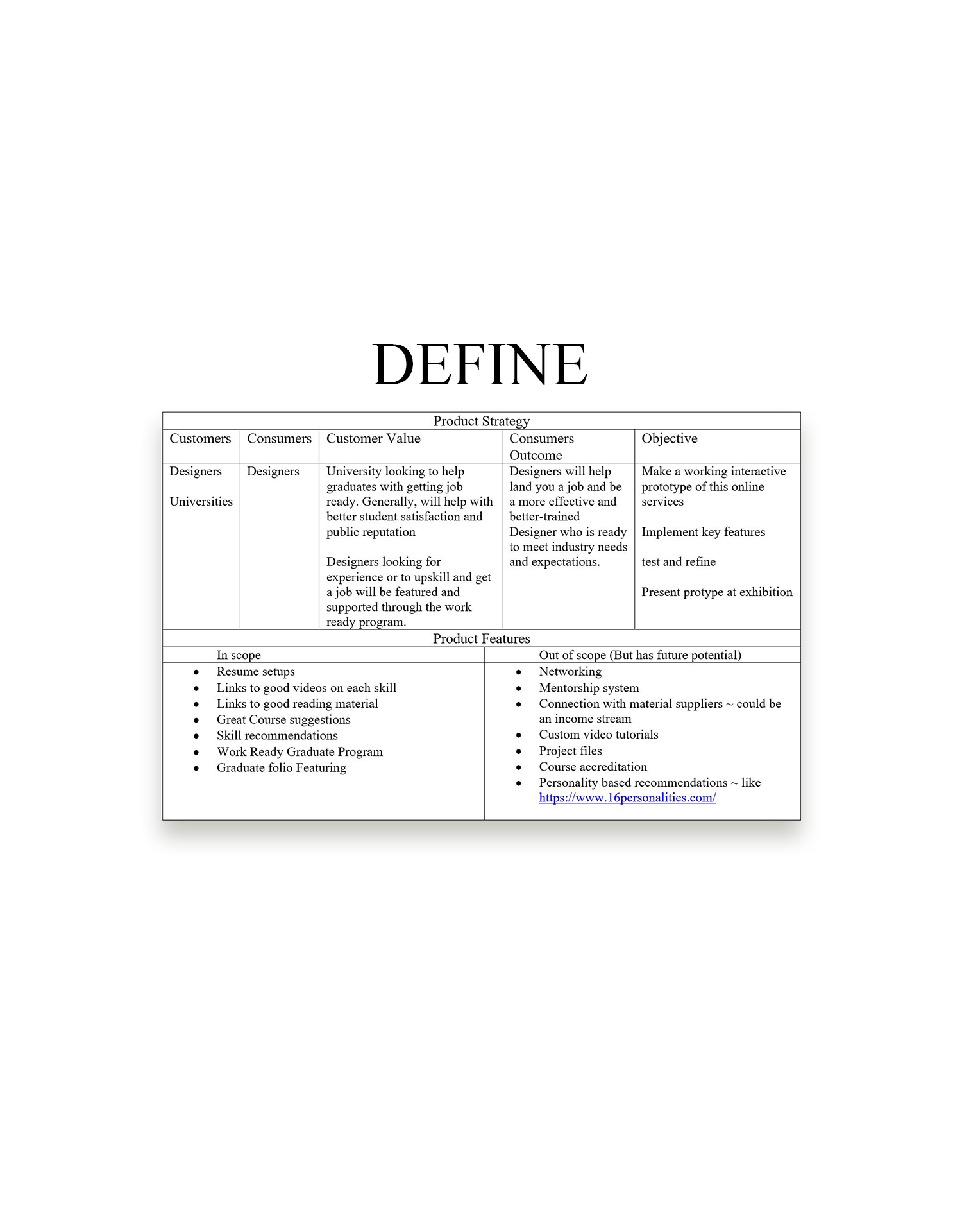
The Studio methodology for the study's practical outcome closely follows the product design process. The Methods can be broken down into eight major themes; Empathize and Understand, Define, Aesthetic & functional inspiration, Ideate, Design, Review, Implement, Revaluate. First I created an empathy map to visualise and understand better who I am targeting. I am targeting designers just starting out who need to find work and meet employer expectations. I also went on to create several User Journey maps and personas. I then worked on defining scope product features and my project objectives.
Photo by Manny Peralta on Unsplash
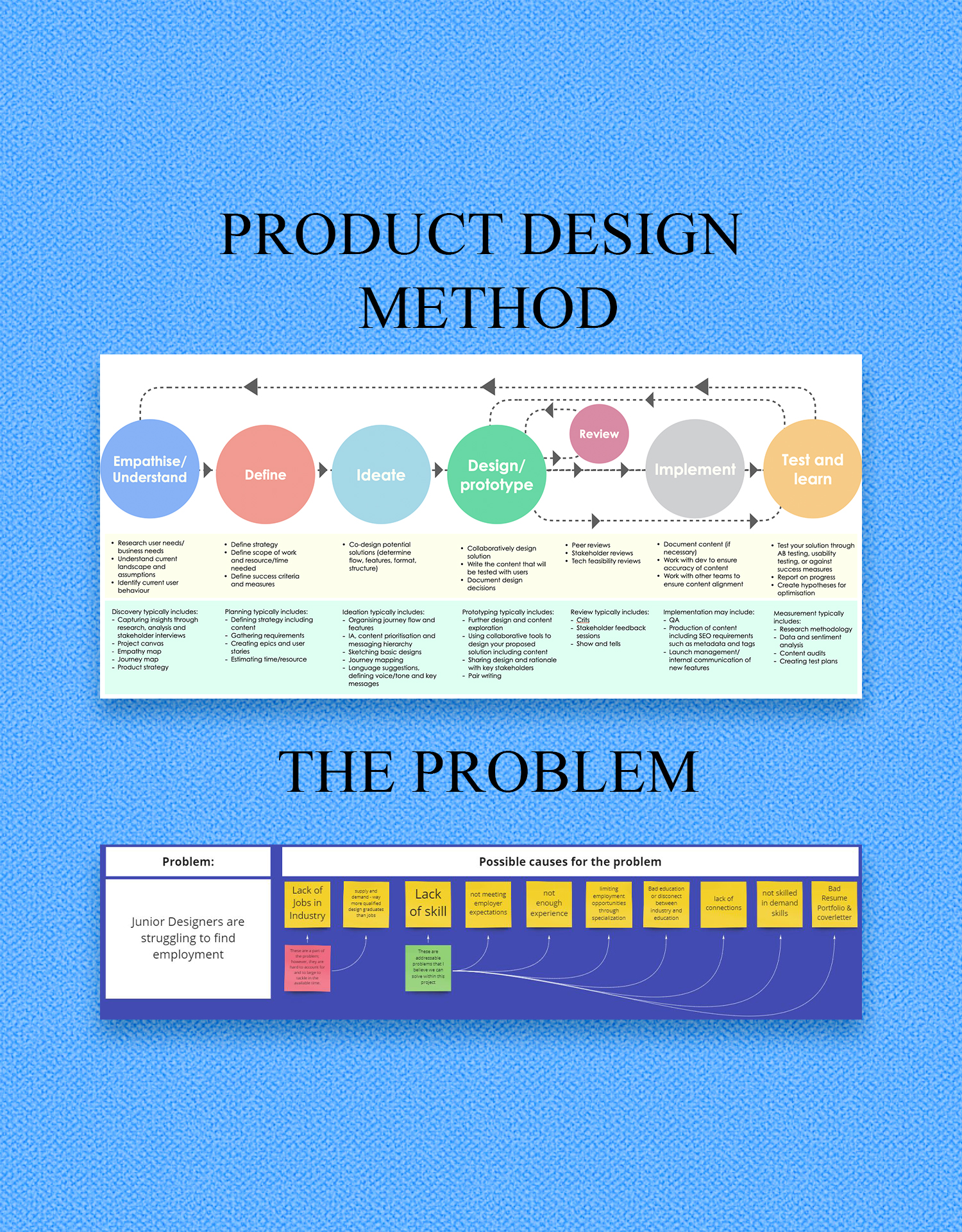
Photo by Stephanie Harlacher on Unsplash
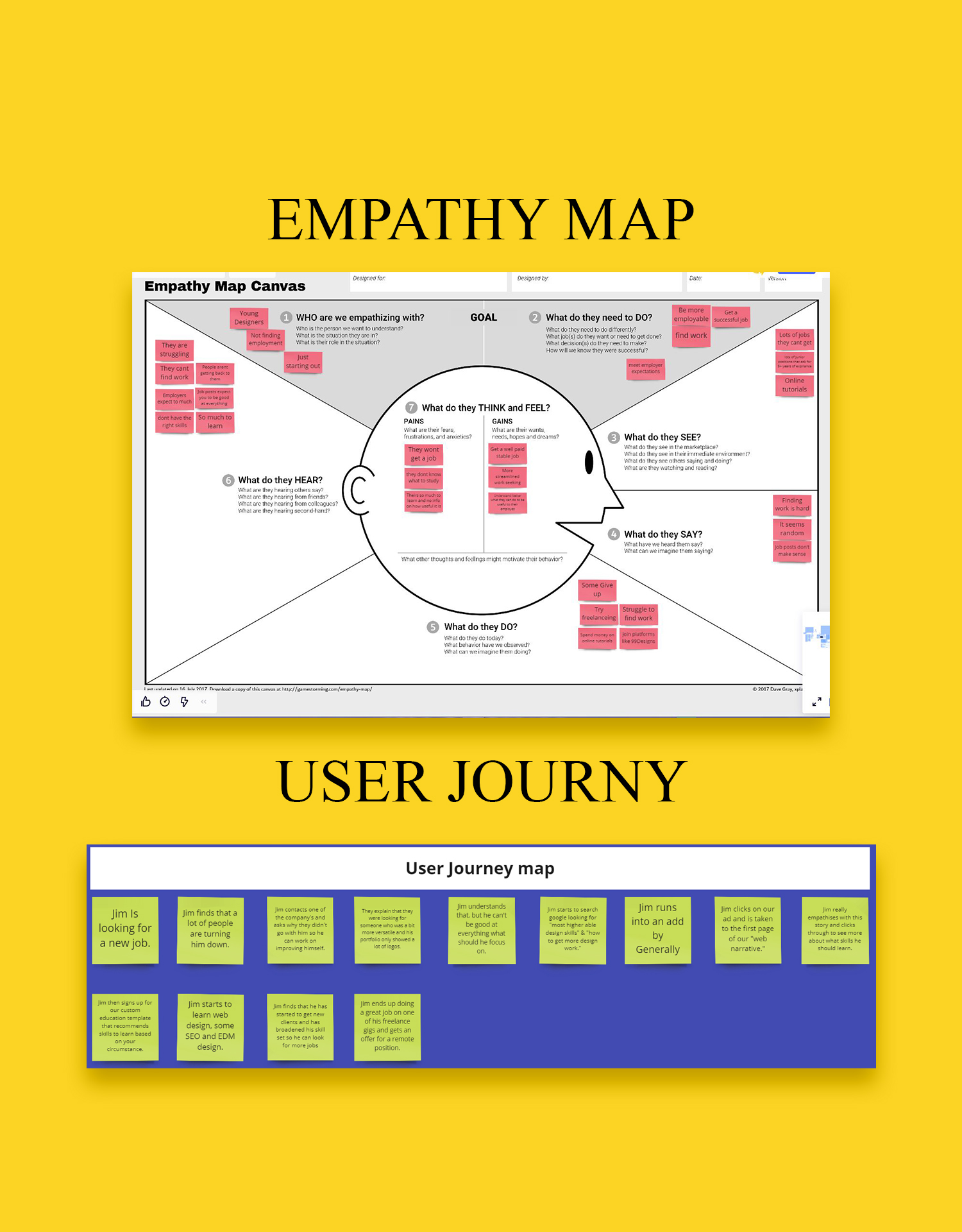
Photo by Matteo Vella on Unsplash
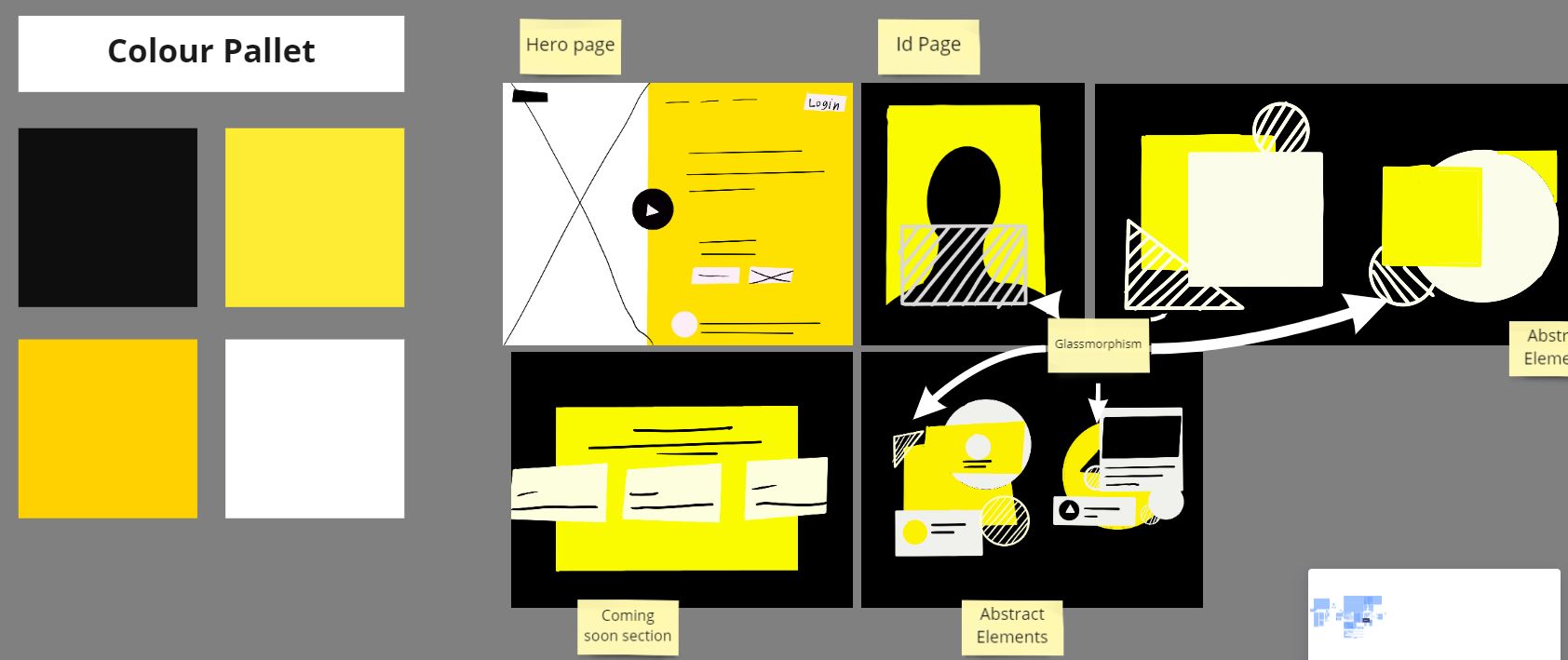
Ithen started the initial rough ideation. During the initial rough ideation phase of the project, I created many different sketches to form different ideas. I used a few different ideation techniques, such as wireframing and crazy 8’s. Below you can see one of the rounds of crazy eight sketchings relating to a work-ready graduate system on the website. This system is aimed at solving/aiding the problem of designers needing two or so years of experience to get a job. Of the eight sketch's I think 5 of them have interesting ideas that should be explored further. After that I started to refine my design into wireframing.
Photo by Manny Peralta on Unsplash
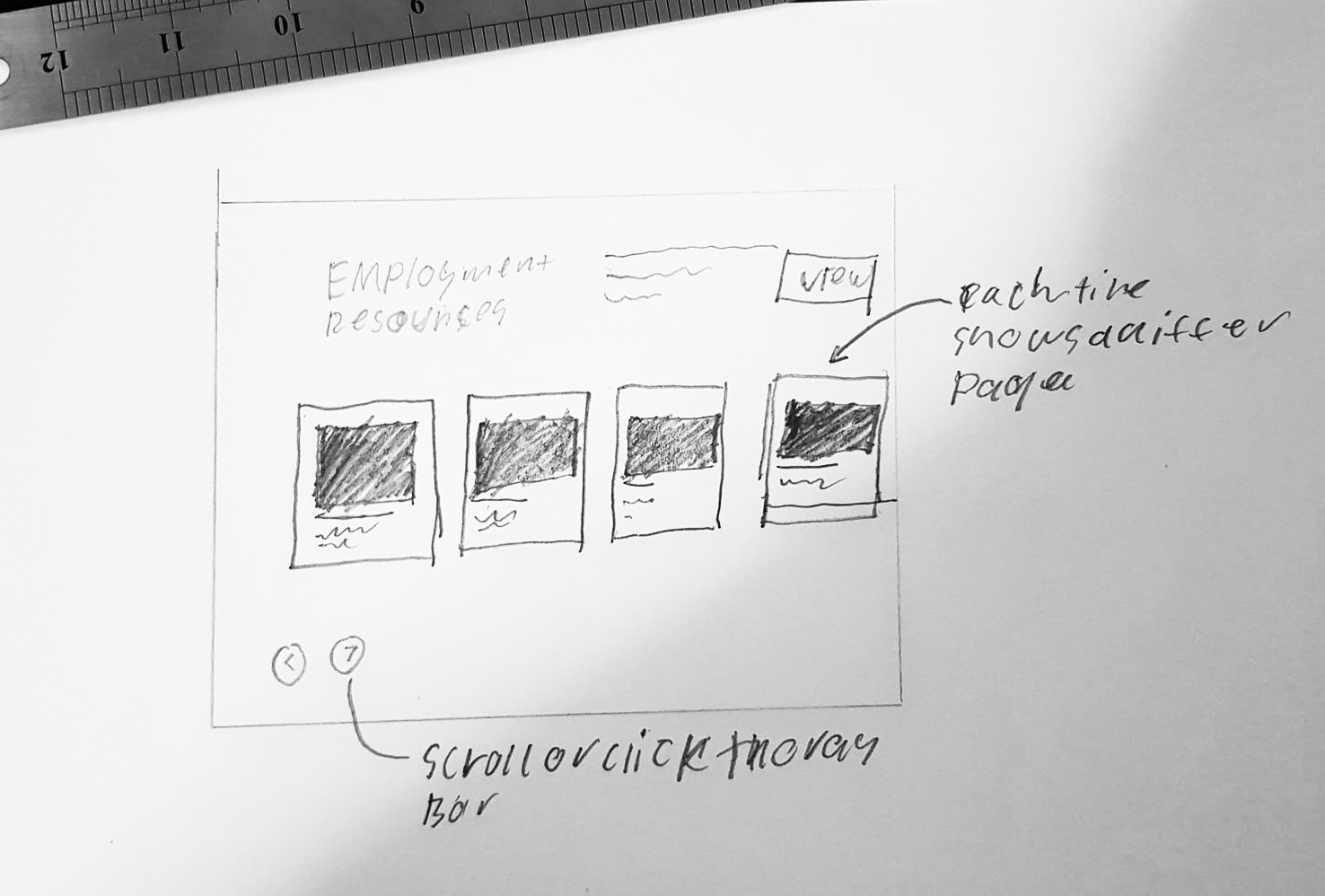
Photo by Stephanie Harlacher on Unsplash
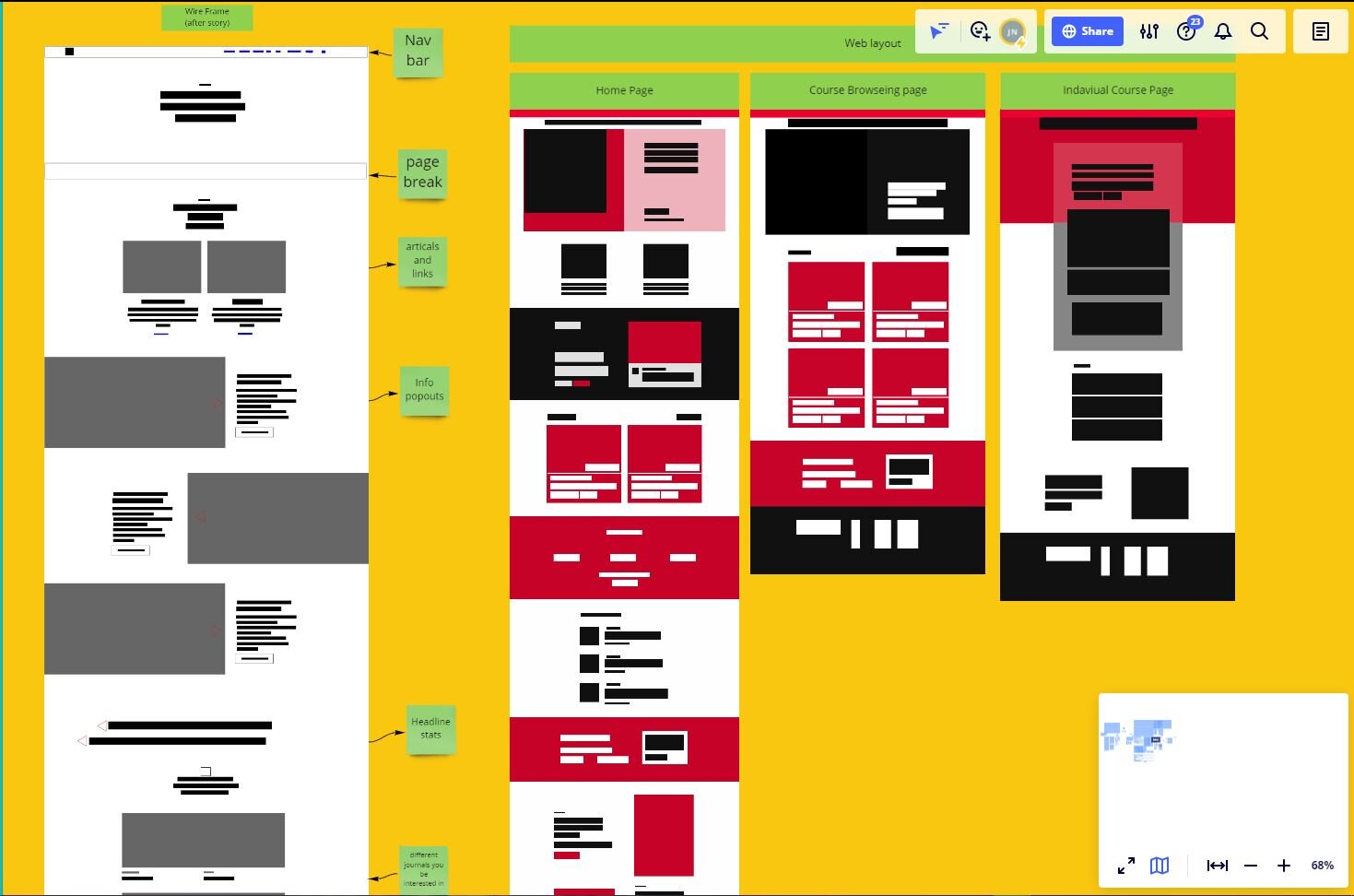
Photo by Matteo Vella on Unsplash
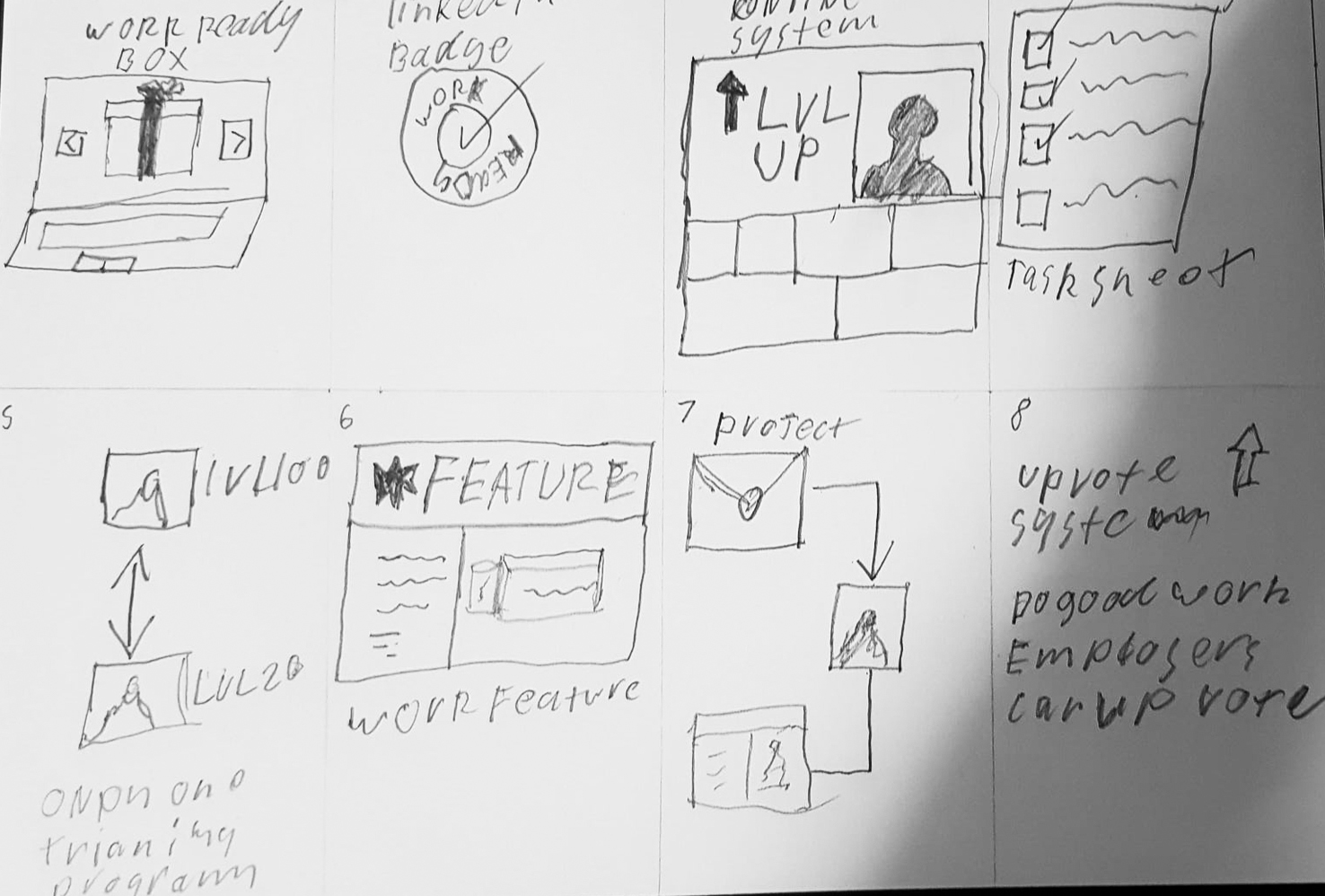
Photo by Matteo Vella on Unsplash
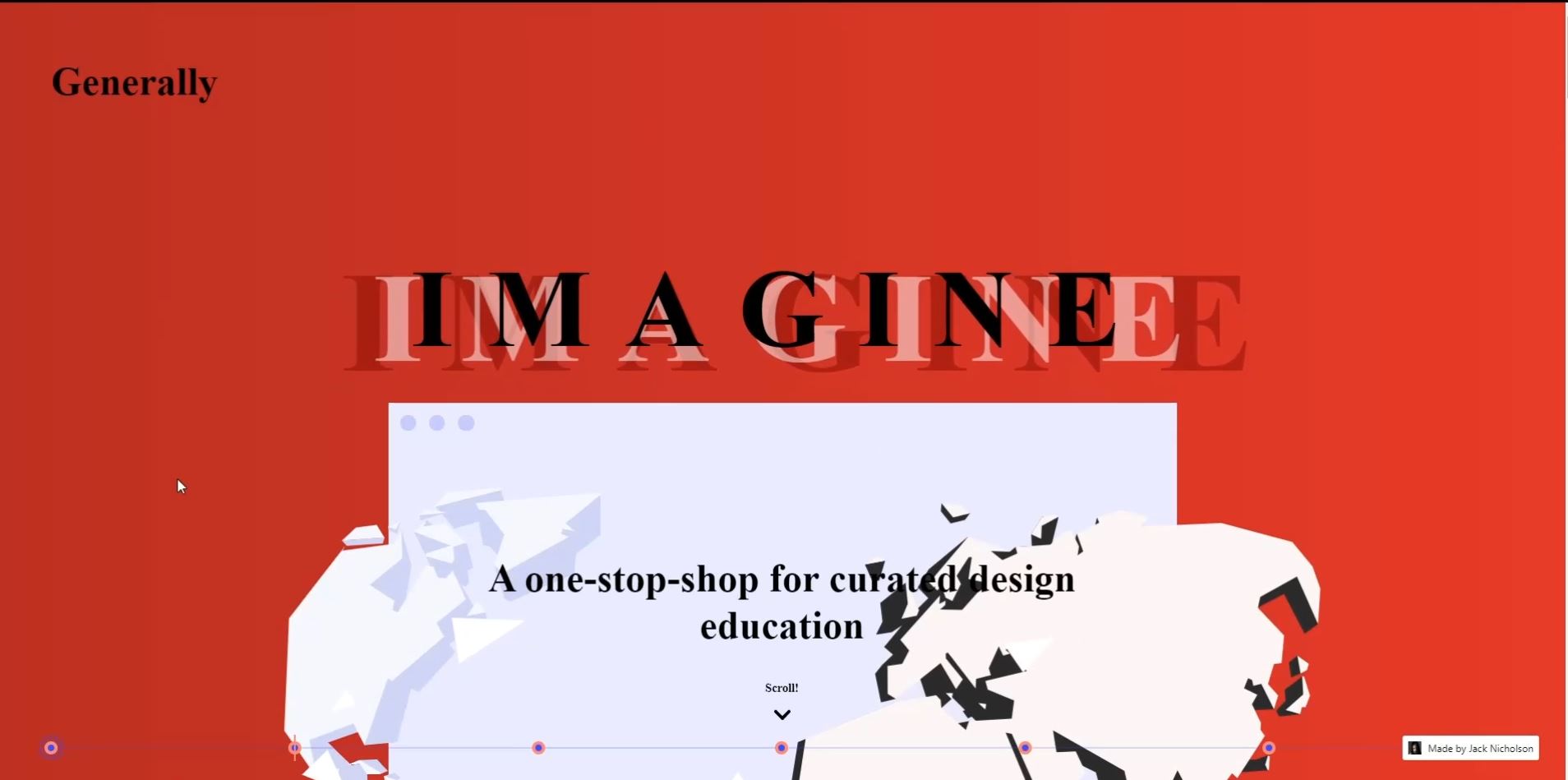
Photo by Matteo Vella on Unsplash
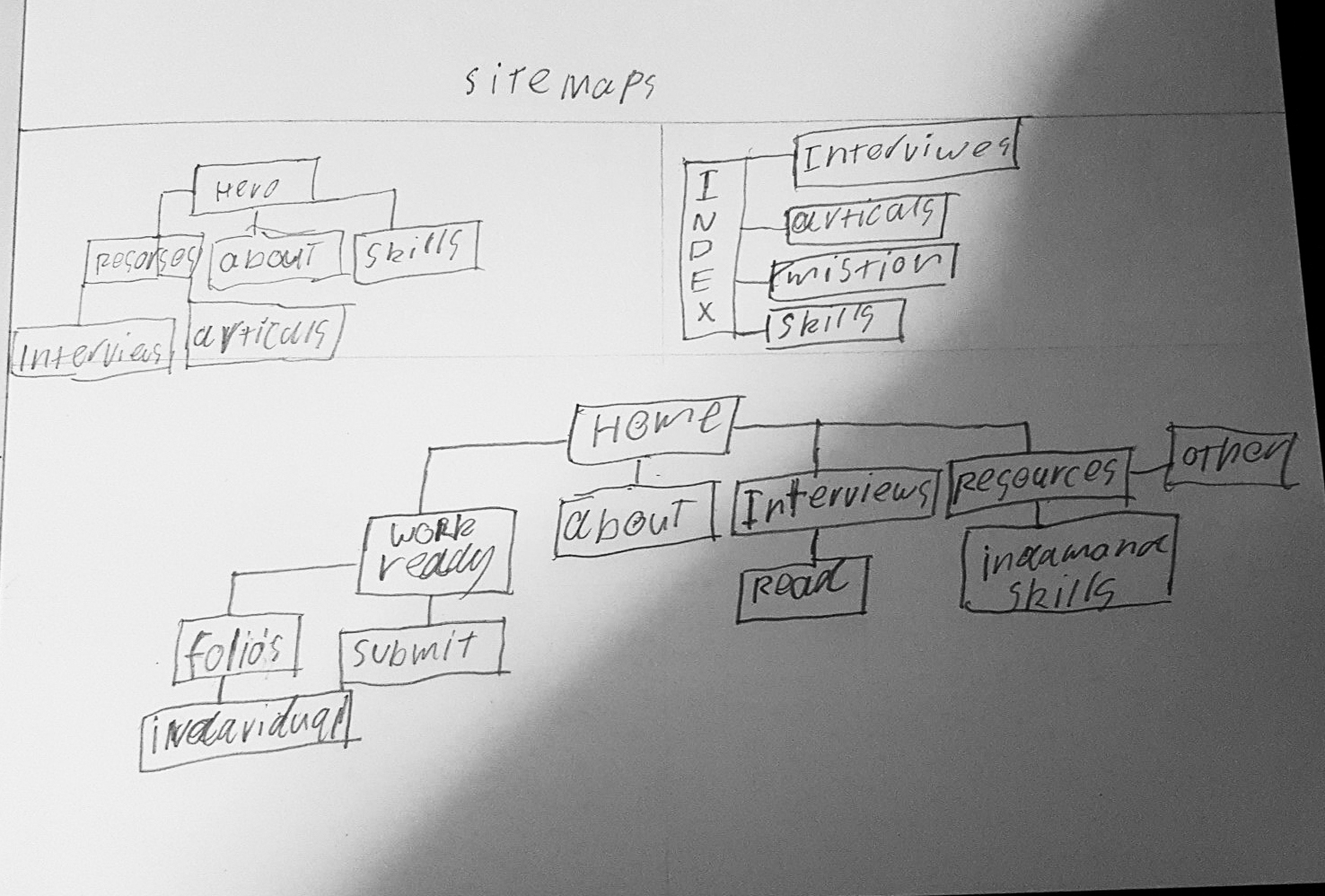
Photo by Matteo Vella on Unsplash
Next was the prototyping faze as well as my more comprehensive Figma design process. This was still a bit rough; here I am experimenting with clickable and scrolling web interactions as I found this to be a very engaging and effective method of information delivery. I decided to abandon this method of web design as it would have taken me far too long to create a fully working demo.
Photo by Manny Peralta on Unsplash
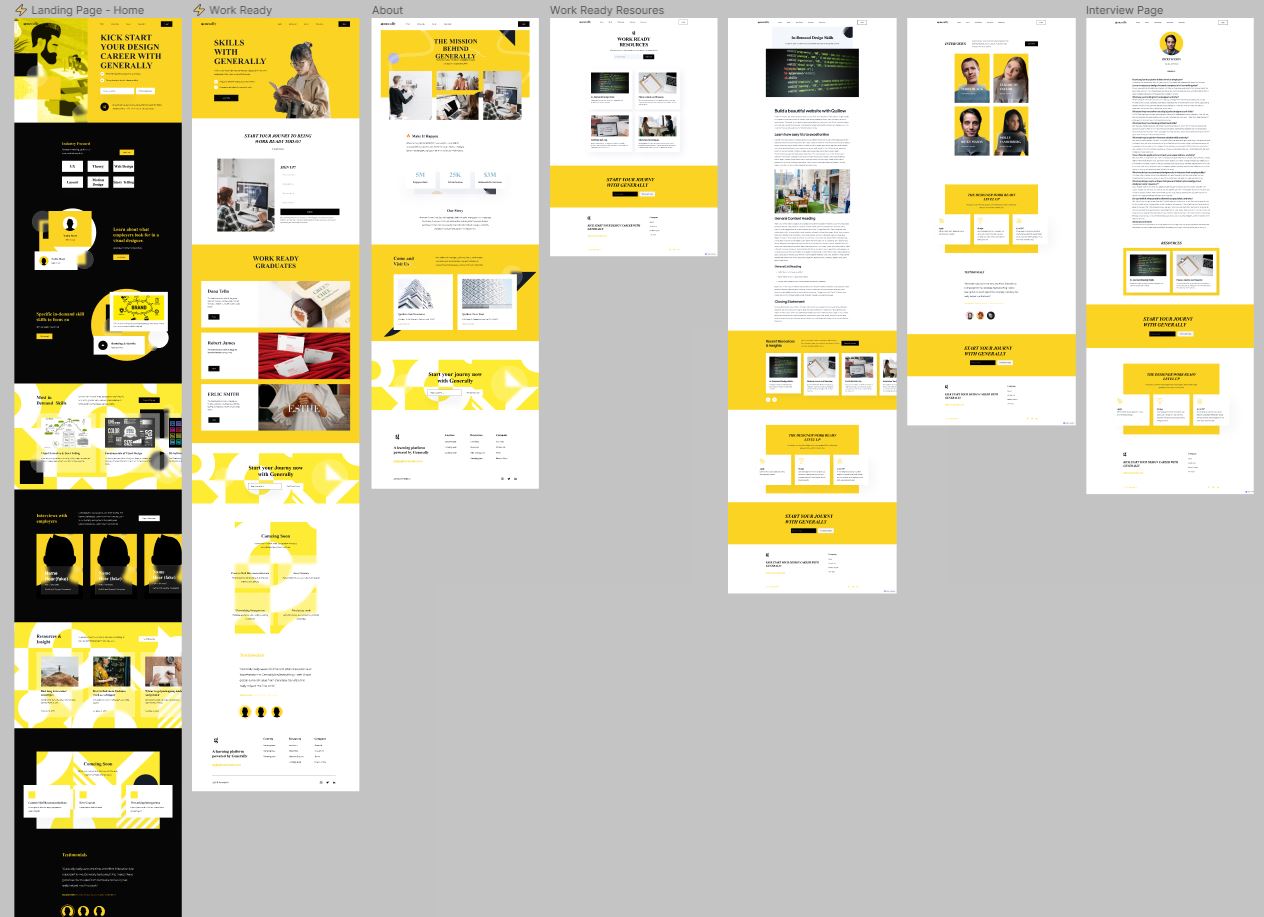
Photo by Stephanie Harlacher on Unsplash
Photo by Matteo Vella on Unsplash
.JPG)
Photo by Matteo Vella on Unsplash
Generally
Final product Outcome Reflection
and Future
The final some aspects of the outcome are examples of what real content would look like. An example of this is the employer interview section. The interviews are based on real interviews I have done during my testing. However the image and name ofthe employers are fake and merely a mockup of what it would be like in its final form. This is also true of the work-ready graduate's section none of the graduates apart from myself are real people and are just there to serve as an example of the product.
And finally, ofnote, while the website is responsive, some elements of the website are notideally responsive and appear buggy when viewed on a phone. As such, the idealviewing experience would be on a computer. The buggy and poor responsiveness ofsome website elements is due to inexperience on my part when designing for mobile.
Photo by Tima Miroshnichenko from Pexels
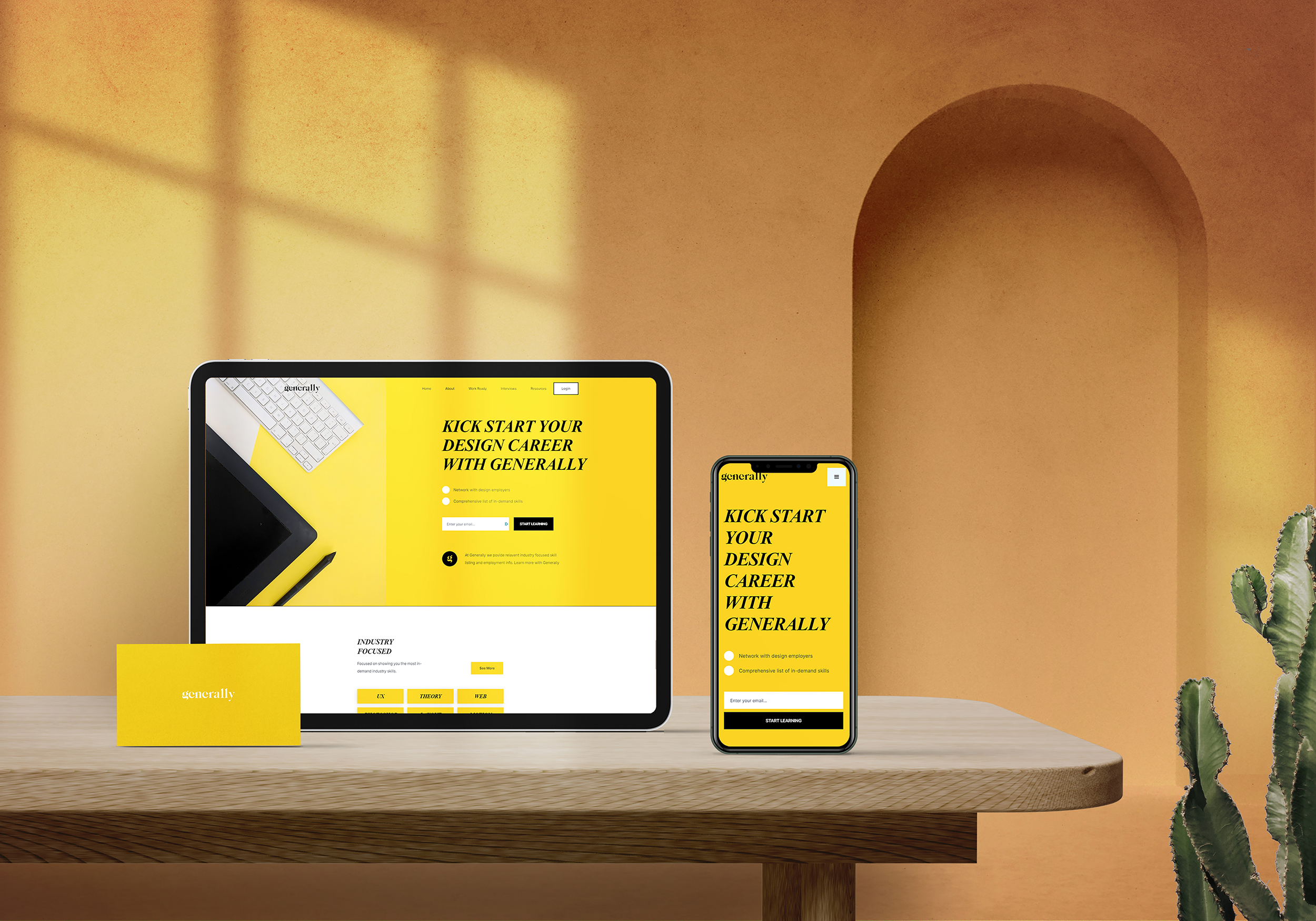
Photo by Artem Podrez from Pexels
Photo by Ivan Samkov from Pexels
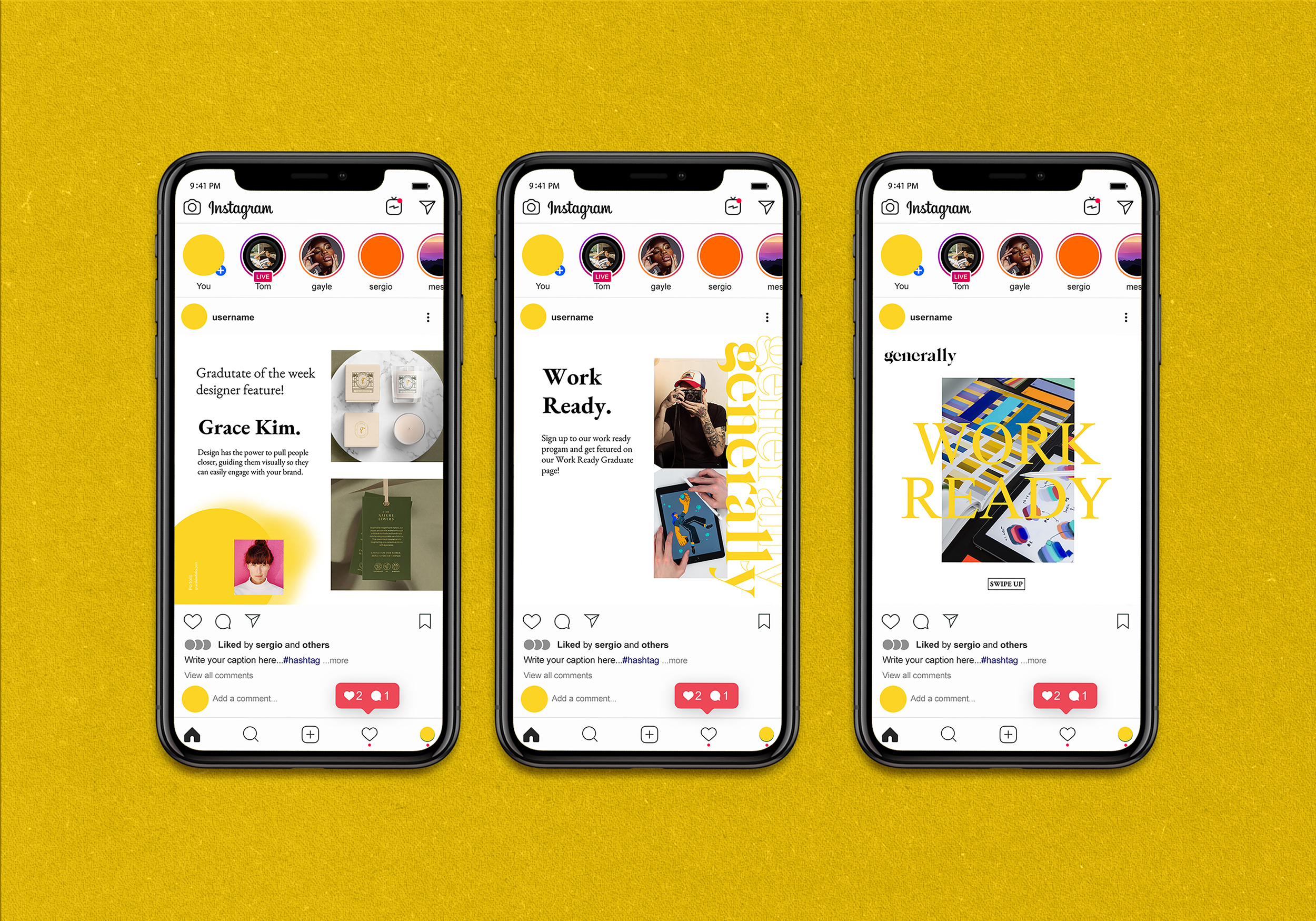
Photo by Ivan Samkov from Pexels
Finally, I believe that both Generally and this research topic have a large amount of future potential. I don’t believe any one person will come upwith the ideal solution to this problem which is why I think this topic area still has a lot of potential for future exploration. In particular, I believe that this study could go on to be more comprehensively explored through a PhD research project that could gather a larger and more diverse set of data. Additionally,I think with work Generally as a platform has considerable potential for commercial development and success by implementing some of the out-of-scope features such as; networking, a form of mentorship system, connection with material suppliers, and direct connection between designer and employers.
